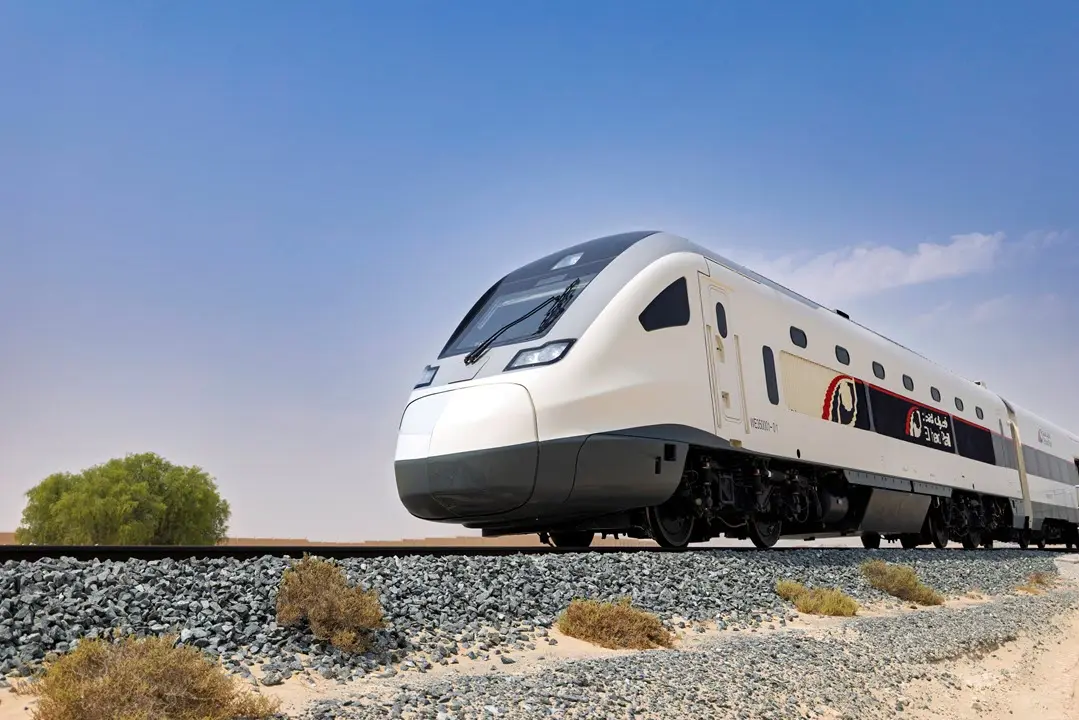
The UAE is entering a transformative era of mobility with the launch of the Etihad Rail UAE passenger network in 2026. More than just a transport project, this federal railway system is set to redefine how people live, work, and invest across the Emirates.
For property buyers, investors, and developers, the UAE rail network 2026 rollout signals a powerful shift; unlocking new real estate hotspots, reducing commute times between emirates, and driving infrastructure-led capital appreciation. As Dubai continues positioning itself as a global investment hub, transport infrastructure like Etihad Rail will play a critical role in shaping the next decade of property demand.
This guide explores confirmed routes, stations, travel times, infrastructure benefits, and most importantly the Dubai real estate impact and investment opportunities emerging along the railway corridor.
UAE Rail Network 2026: Project Overview
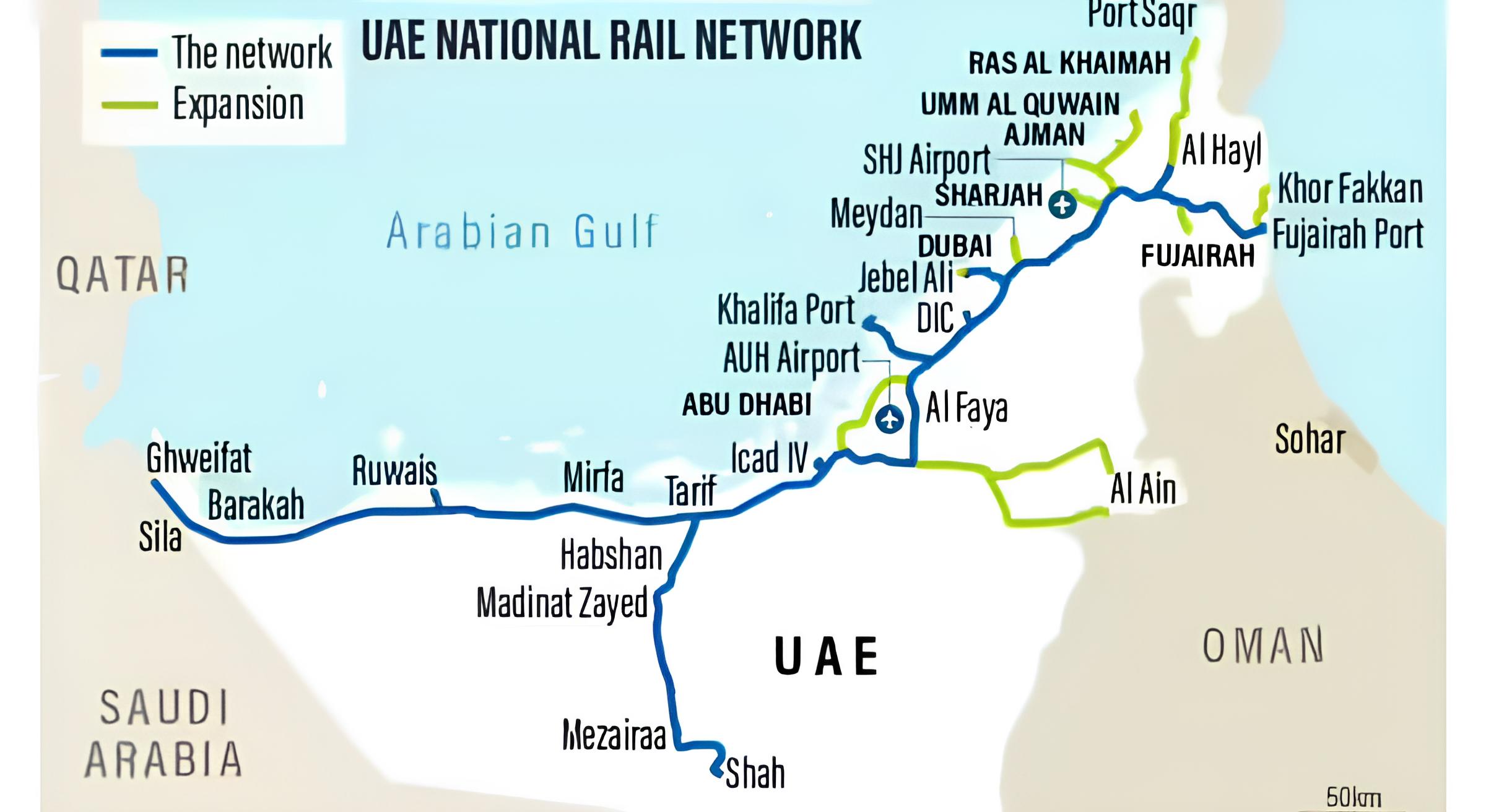
Etihad Rail is the UAE’s first nationwide railway network, developed to connect all seven emirates through an integrated passenger and freight system. While freight operations have already commenced, the first phase of passenger train services is scheduled to launch in 2026.
Key project highlights include:
- A railway network spanning approximately 1,200 km across the UAE
- Passenger trains operating up to 200 km/h
- Capacity to transport millions of passengers annually
- Integration with metro and public transport networks
- Strategic links to ports, airports, and industrial hubs
The railway is designed not only to enhance mobility but also to accelerate UAE economic growth by supporting trade, tourism, and real estate expansion.
Confirmed Passenger Routes & Travel Times
The initial passenger routes will connect major population and economic centres, dramatically reducing inter-emirate travel times.
Key travel estimates include:
- Abu Dhabi to Dubai: ~57 minutes
- Abu Dhabi to Fujairah: ~105 minutes
- Abu Dhabi to Ruwais: ~70 minutes
- Dubai to Fujairah: Under 90 minutes (estimated)
These travel times position rail as a competitive alternative to car and air travel, especially for daily commuters and business travellers.
Etihad Rail Stations Across the UAE
Several passenger stations have been confirmed across strategic urban and industrial zones. These stations are expected to evolve into transit-oriented development hubs.
Major confirmed and expected stations include:
- Abu Dhabi City
- Dubai (main urban hub)
- Sharjah
- Fujairah
- Al Ruwais
- Al Mirfa
- Industrial & logistics zones
Stations will be integrated with:
- Dubai Metro & Tram
- Abu Dhabi public transport
- Bus and taxi networks
- Airport connections
This multimodal integration will significantly improve last-mile connectivity—one of the biggest drivers of property demand near transit hubs.
Infrastructure & Lifestyle Transformation
Beyond transport, the Etihad Rail UAE project will reshape lifestyle patterns across the country.
1. Seamless Inter-Emirate Commuting
Professionals will be able to live in more affordable emirates while working in Dubai or Abu Dhabi—without long car commutes.
2. Tourism Expansion
Rail connectivity to Fujairah and other coastal destinations will boost domestic tourism, weekend travel, and hospitality developments.
3. Sustainable Mobility
Rail travel reduces carbon emissions compared to road transport, aligning with the UAE’s Net Zero 2050 strategy.
4. Logistics & Economic Zones
Freight rail integration strengthens industrial corridors, free zones, and port connectivity—fueling job creation and housing demand.
Real Estate Insights: Dubai & UAE Property Market Impact
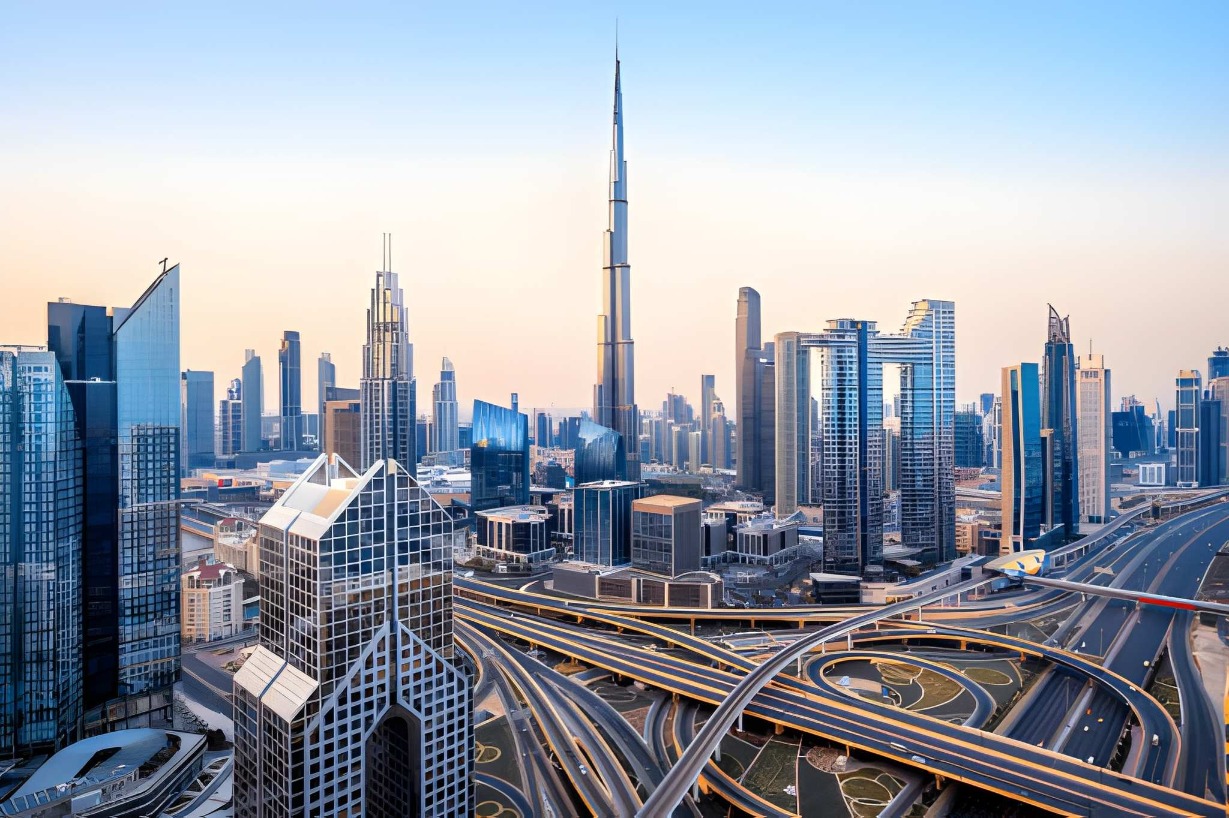
Transport infrastructure has historically been one of the strongest catalysts for property price growth in the UAE. The Dubai Metro launch, for example, drove significant appreciation in nearby communities—and Etihad Rail is expected to follow a similar trajectory on a national scale.
1. Property Price Appreciation Near Stations
Communities located near Etihad Rail stations are likely to witness:
- Increased buyer demand
- Higher rental yields
- Faster capital appreciation
- Premiums on transit-oriented developments
Investors typically enter such markets early to secure lower pre-infrastructure prices.
2. Rise of Transit-Oriented Communities
Developers are expected to launch new residential and mixed-use projects around station zones, featuring:
- Walkable districts
- Retail & F&B hubs
- Smart city infrastructure
- Integrated office spaces
This urban planning model mirrors global rail cities like London, Singapore, and Hong Kong.
3. Affordable Housing Demand Shift
With faster rail links, residents may choose to live in:
- Sharjah
- Ajman
- Fujairah
…while working in Dubai—driving demand for mid-income housing in these emirates.
4. Luxury & Waterfront Market Boost
Improved tourism access to Fujairah and coastal regions will increase demand for:
- Holiday homes
- Beachfront villas
- Resort residences
This opens a new niche within the property investment UAE landscape.
Communities Expected to Benefit Most
While the full station map will define micro-hotspots, several high-potential zones are already emerging.
In Dubai:
- Dubai South (near logistics corridors)
- Jebel Ali & Expo City
- Al Maktoum Airport vicinity
- Dubai Investment Park
In Abu Dhabi:
- Al Reem Island
- Yas Island
- Saadiyat Island
- Khalifa City
Northern Emirates:
- Sharjah industrial & residential corridors
- Fujairah waterfront districts
These areas combine rail access, economic activity, and development land—ideal for long-term appreciation.
Investment Opportunities Emerging
Etihad Rail is not just a mobility project—it’s an investment signal.
Key opportunities include:
- Off-plan projects near future stations
- Buy-to-let units for rail commuters
- Mixed-use developments
- Hospitality assets near tourism routes
- Logistics & warehouse real estate
Early investors typically benefit from infrastructure-driven price cycles before full network completion.
Future Expansion & GCC Connectivity
Long term, Etihad Rail aims to connect with the wider GCC railway network, linking the UAE to:
- Saudi Arabia
- Oman
- Bahrain
- Qatar
- Kuwait
This cross-border rail vision would position the UAE as a regional transport and trade hub—further strengthening real estate demand around logistics and passenger corridors.
Conclusion
The Etihad Rail UAE passenger network launching in 2026 marks one of the most significant infrastructure milestones in the country’s history. By slashing travel times, connecting emirates, and enabling transit-oriented development, the railway will reshape residential patterns, tourism flows, and investment dynamics.
For property buyers and investors, the message is clear: infrastructure drives value. Communities linked to rail networks consistently outperform broader markets in both rental returns and capital growth.
As the UAE rail network 2026 rollout progresses, early positioning in rail-connected districts could deliver substantial long-term gains.
Looking to invest near upcoming Etihad Rail stations or high-growth transit communities?
Explore premium off-plan and ready properties across Dubai and the UAE with expert guidance from our real estate specialists. We’ll help you identify infrastructure-backed investment hotspots before prices surge.
Contact us today to access exclusive listings, market insights, and tailored property opportunities aligned with the UAE’s railway expansion.
FAQs
When will Etihad Rail passenger services launch?
Passenger train services are scheduled to begin in 2026, starting with key inter-emirate routes.
How fast will Etihad Rail passenger trains be?
Passenger trains are expected to operate at speeds of up to 200 km/h.
How long will it take to travel from Abu Dhabi to Dubai by train?
The journey is estimated to take approximately 57 minutes.
Will Etihad Rail impact Dubai property prices?
Yes. Properties near rail stations typically see higher demand, rental yields, and capital appreciation due to improved connectivity.
Which emirates will Etihad Rail connect?
The network will connect all seven emirates, including Abu Dhabi, Dubai, Sharjah, and Fujairah, with future GCC expansion planned.
Is Etihad Rail good for property investment in the UAE?
Infrastructure projects like national railways historically drive real estate growth, making rail-linked communities attractive for long-term investment.








Property Gifting in Dubai: Fees, Steps & What No One Tells You
How to Register Inherited Property in the UAE: A Clear Step-by-Step Guide